Highlights from UN Plastic Treaty Talks in Ottawa
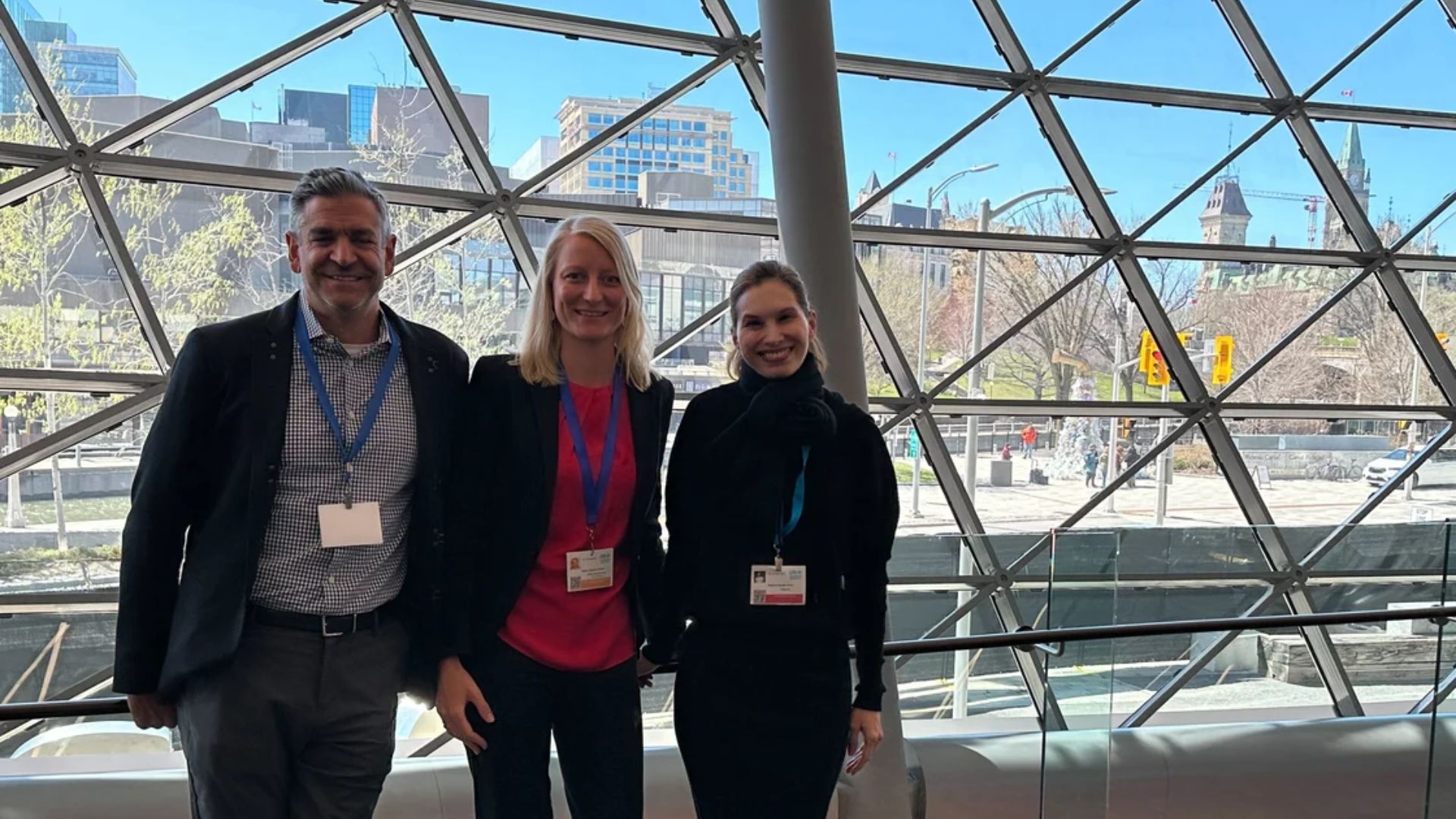
We returned home from Ottawa last week with a prevailing sense of optimism regarding the trajectory of the global treaty on plastic pollution.
Explicit progress on a draft has been challenging, but the delegates are committed to pushing forward in intersessional efforts. The focus in the coming months will be on tackling chemicals of concern and finding ways to finance treaty implementations.
During the recent INC 4 gathering, financing emerged as a focal point amidst a diverse agenda. Notably, discussions underscored the significant financial requisites, estimated at $1.64 trillion by 2040, to effectively combat plastic pollution. Side events, including those organized by the World Bank, spotlighted the role of market-based mechanisms such as plastic credits in mobilizing private sector resources for recycling, upcycling, and cleanup endeavors, particularly in resource-constrained emerging markets.
While there exists a broad consensus among delegates regarding the incorporation of Extended Producer Responsibility (EPR) into the treaty framework, deliberations continue on the specifics, given the diverse array of existing EPR laws and programs across developed and developing economies.
INC5 will convene in Korea this November. If you have any questions on what the treaty means to you, reach out to us at info@pcxmarkets.com.
Events
Presenting the Philippines Case Study at the World Bank's 'Outcome Based Financing' INC4 Side Event

PCX founder Nanette Medved-Po, and Albert Magalang of the DENR - Climate Change Service, presented at The World Bank's 'Harnessing Outcome-based Financing to Address Plastic Pollution' event alongside the INC-4 in Ottawa. Their discussion focused on the integration of plastic credits into the Philippines’ Extended Producer Responsibility (EPR) system, underscoring the challenges and opportunities PCX Solutions encountered as an official Producer Responsibility Organization (PRO).
PepsiCo Philippines celebrates Earth Day and deployment of 91 Aling Tindera sites with beach cleanup

PepsiCo Philippines partnered with HOPE and PCX Markets to organize an Earth Day beach clean-up at the Las Piñas-Paranaque Wetlands Park to mark the deployment of over 90 plastic waste collection sites run by Aling Tindera, a waste-to-cash program that turns women micro-entrepreneurs into sustainability champions in their communities.
The project kicked off in 2022, when Pepsico Foods Philippines celebrated it’s 73rd anniversary by sponsoring 73 Aling Tinderas sites, and the program has grown to include 91 plastic waste collection sites nationwide. The PepsiCo team collected 114 kg of plastic waste and donated it to Elvira Garcia, an Aling Tindera from Brgy. Francisco Reyes, General Mariano Alvarez, Cavite.
Upcoming Webinar: Plastic Responsibility in Indonesia

Join Vinda Damayanti, Directorate General at Indonesia's Ministry of Environment & Forestry, Faisal Yusuf, Country Lead for PCX in Indonesia, and Paulo Ribeiro, our Regional Sustainability Lead, on May 14 for a plastic stewardship webinar, co-hosted with BritCham Indonesia. Learn about Indonesia's waste reduction roadmap, and how your company can meet requirements set out in
Indonesia's EPR laws.
News

Fourth round of UN plastic talks closes amid disappointment due to insufficient progress
"While negotiators touched on financing at INC4 as one of many topics on a packed agenda, it was a major topic of discussion at side events in Ottawa. This was exciting to see, because we need US$1.64 trillion by 2040 to beat plastic pollution. Market-based mechanisms like plastic credits, which channel funds from the private sector into recycling, upcycling and cleanup projects, are an important option for emerging markets which lack funding and infrastructure."
PCX Solutions MD Stefanie Beitien shares insights from INC4 with Carbon Pulse. To learn more about how plastic credits can support the UN plastics treaty, read our position paper here.
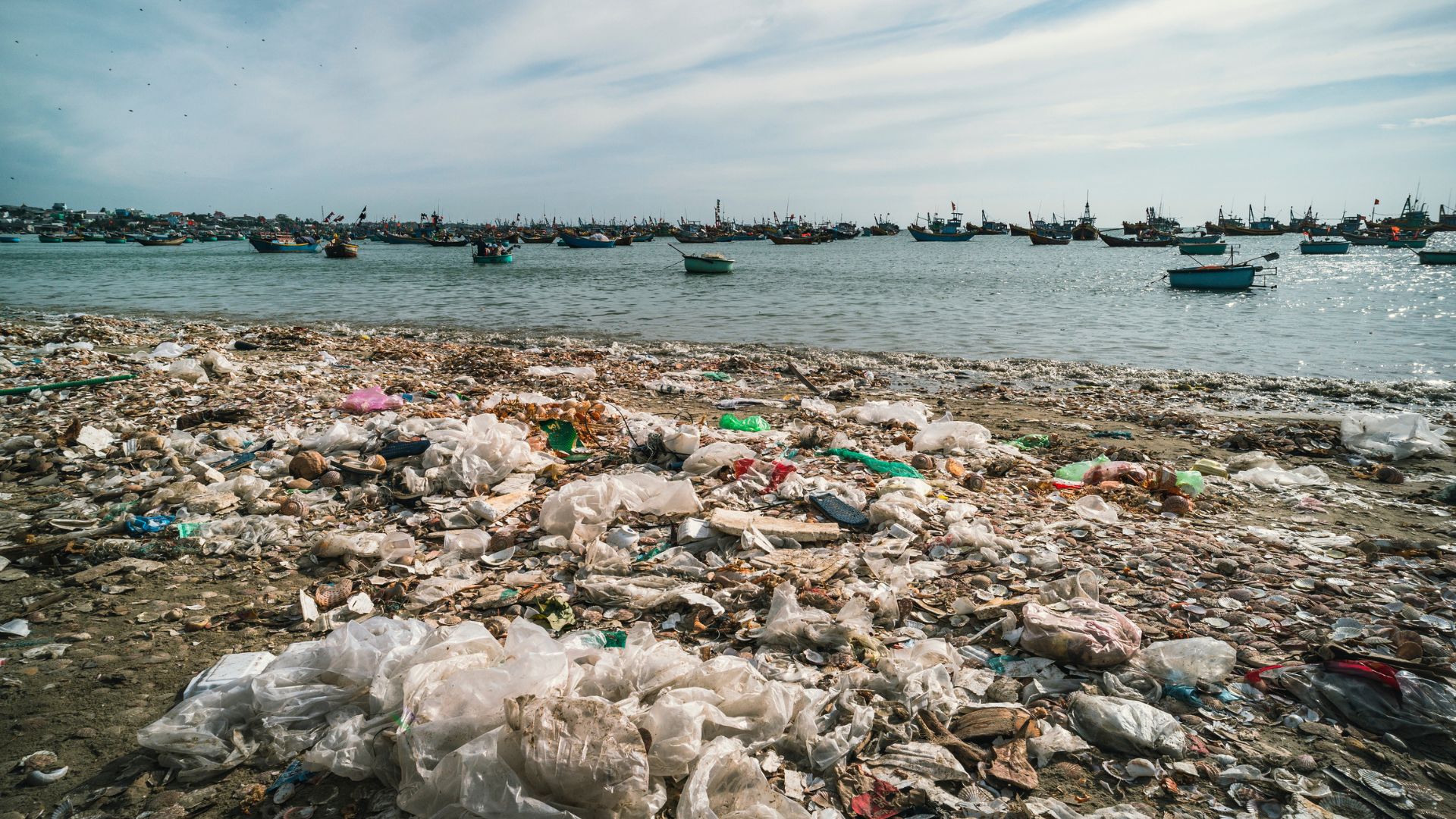
Pressure mounts to include plastic credits in UN treaty, verifiers point to increasing interest
“The real reason why people talk about the cost of recycling being too high is because the cost of virgin plastic is too low. That’s the secondary benefit of credits, in our view; that they can help reduce the price gap between virgin and recycled plastic. If plastic producers are required by law or a global treaty to take responsibility for plastic footprint, the cost of every tonne or kilo of plastic they produce will incorporate the price of the credit and lead to an increase in prices”.
PCX Markets CEO Sebastian DiGrande talks about the role credits can play in changing the unit economics of plastic in this Carbon Pulse feature on the UN treaty talks.

Nanette Medved-Po believes that we can be the generation that ends the plastic crisis
"All the plastic we’ve ever created is largely still with us today. Southeast Asia is at the epicenter of the crisis. It would be incredible if Southeast Asia led the way in solving this problem."
The theme this Earth Day was 'Planet vs Plastic'. In this op-ed for Tatler Asia, Nanette outlines the scale of the plastic pollution problem in ASEAN, which has been hardest hit by the crisis. Southeast Asia's businesses, she says, have an incredible opportunity to take leadership in tackling the legacy plastic waste that's choking the region.
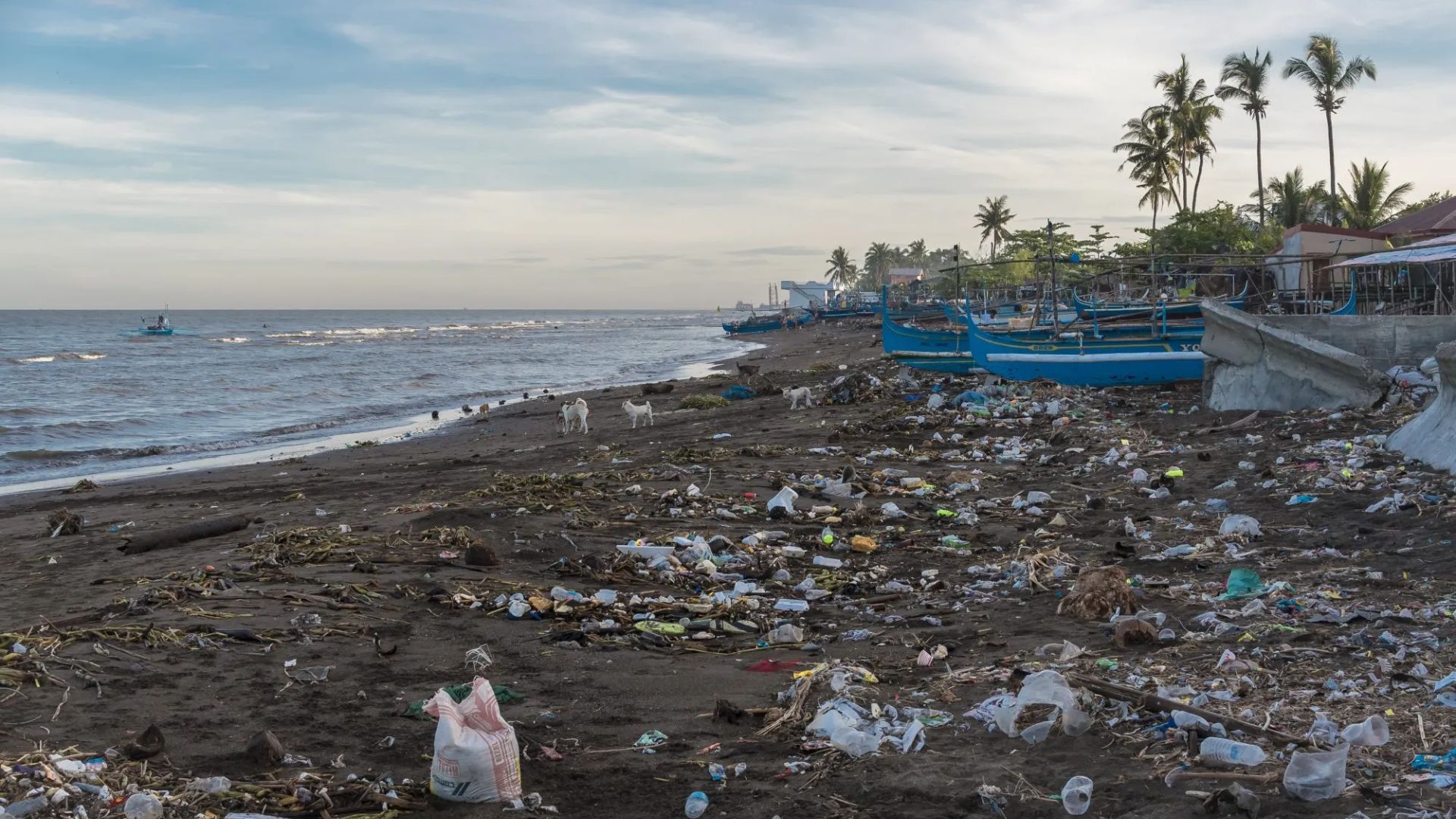
Southeast Asia's plastic tidal wave: Imported trash swamps region
Although home to less than 9% of the world's population, ASEAN countries received 17% of the world's plastic waste imports from 2017 to 2021, according to United Nations data. From 2016 to 2018 alone, the region saw plastic waste imports grow by 171%, to 2.26 million tonnes.
This powerful in-depth feature by Nikkei Asia's Dominic Faulder & Ismi Damayanti, which highlights the scale of the plastic pollution crisis in ASEAN, is required reading as we move towards consensus on a global treaty to prevent plastic pollution.

Let’s Get To Work
Sign up to clean up!
%20copy.jpg)