PCX surpasses 500M pounds of diverted plastic pollution
PCX Markets, a plastic pollution cleanup-focused organization with offices in San Francisco, Singapore and the Philippines, announced in mid-July that it surpassed 534 million pounds of plastic pollution diverted from nature through independently verified plastic credit projects spanning 16 countries and 54 recovery initiatives.
The organization says the achievement reflects the collective efforts of 54 recovery project partners, local communities and hundreds of brands funding verified plastic recovery through plastic credits.
PCX claims that since the 1950s, the world has produced more than 9 billion metric tons of plastic, yet only about 9 percent is recycled, with most landfilled, incinerated or leaked into the environment and in need of responsible management.
As extended producer responsibility (EPR) regulations continue to expand globally, the organization says companies operating in regulated jurisdictions face growing compliance obligations, while others are acting in response to customer, investor and stakeholder expectations.
“The plastic crisis is measured in billions of tons, and solving it requires solutions that operate at comparable scale,” PCX CEO Sebastian DiGrande says. “Companies must reduce plastic use, but they must also address the legacy plastic waste already impacting communities and ecosystems. Policy sets expectations, but markets mobilize the capital needed to build recovery infrastructure at scale. Surpassing half a billion pounds diverted demonstrates how verified plastic credits can help deliver measurable environmental and social impact.”
Expanding recovery infrastructure
Since 2022, PCX says it has expanded its recovery network from four countries and 22 projects to 16 countries and 54 projects.
Projects supported through the PCX marketplace include ocean-bound plastic diversion initiatives in Southeast Asia, abandoned fishing gear collection in Patagonia and community-based recovery programs across the Global South. The projects span coastal, riverine and urban environments where plastic leakage is greatest and waste management infrastructure remains limited.
PCX says all projects it supports meet stringent third-party verification standards, including alignment with Verra, PPRS and Ocean Bound Plastic certification standards. The organization says credits are issued through a transparent, audited registry designed to ensure traceability, accountability and measurable impact.
PCX says a plastic credit represents the independently verified recovery and responsible processing of one metric ton of plastic scrap. Companies can purchase plastic credits to support sustainability goals, meet EPR regulations where applicable and complement upstream reduction strategies. Credit revenue funds collection, transportation and processing in regions where waste management systems remain underdeveloped or underfunded.
The impact
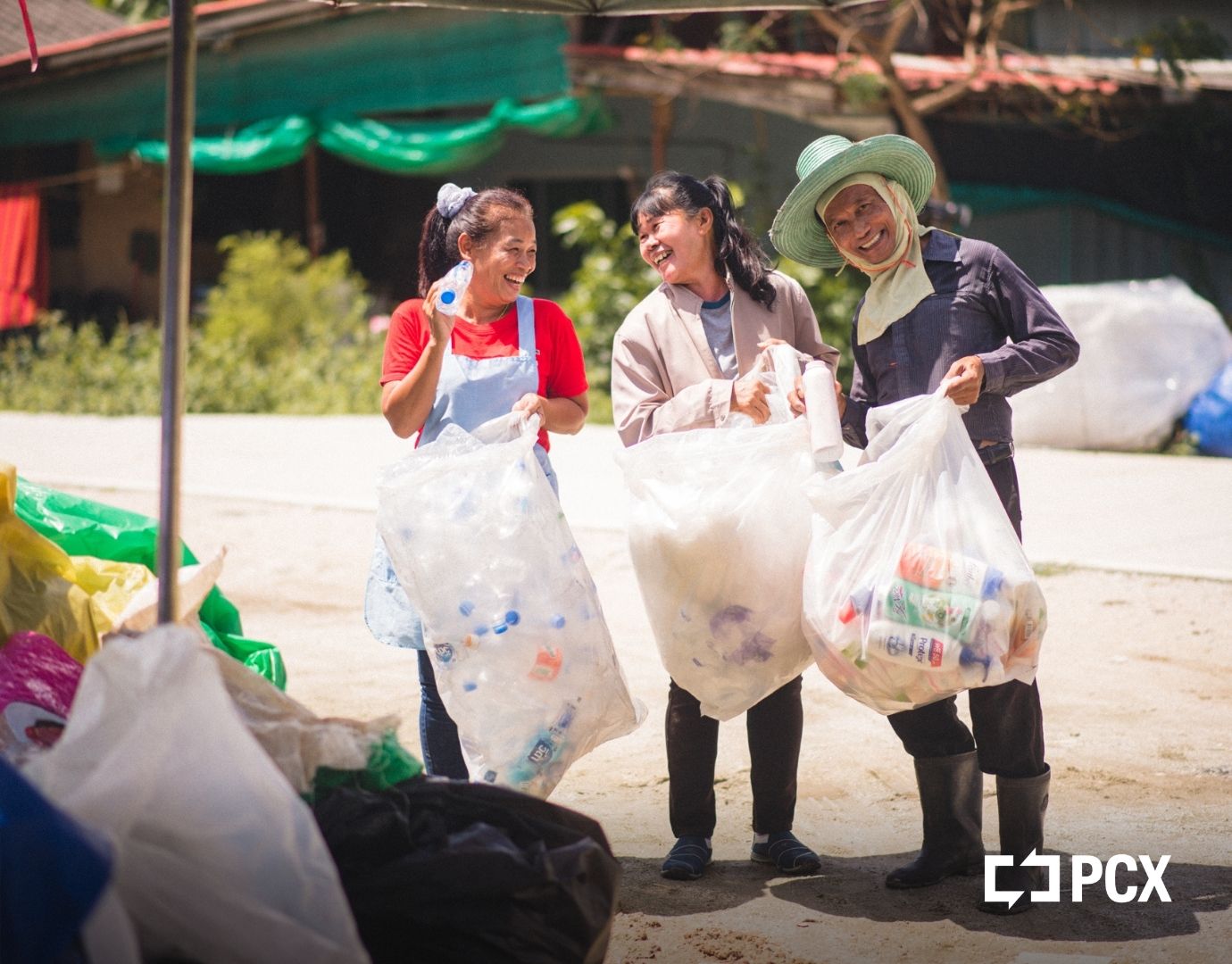
Beyond environmental benefits, PCX says plastic recovery creates jobs and stronger livelihoods for waste workers, strengthens local collection and recycling systems, supports women-led enterprises and directs investment into communities that often bear the greatest burden of plastic pollution while having the fewest resources to address it.
“Plastic pollution disproportionately affects communities with the least infrastructure,” says PCX founder Nanette Medved-Po. “Plastic credits channel corporate capital into those communities, creating both environmental impact and social benefit. They are not a substitute for reduction, but they are an essential tool for addressing the legacy plastic already in the environment.”
This article was originally published here in Recycling Today.

Let’s Get To Work
Sign up to clean up!
%20copy.jpg)