Unpacking plastic's journey: A Q&A with PCX Markets on building a circular future in the Philippines
MANILA, Philippines — Most of us try to sort our trash, hoping to help make a difference in the problem of plastic litter. But what truly happens to plastic after it leaves our homes?
To shed light on the journey of discarded plastics and the innovative solutions being implemented, we speak with Athalie Reyes, Senior Manager, EPR and Projects of PCX Markets, a leading enabler of plastic recovery and circular economy solutions in the Philippines.
Q1: What exactly is PCX and what is its mission in addressing plastic waste?
A1: PCX is on a mission to build a future where no plastic ends up in nature. Our global plastics responsibility team helps companies meet their sustainability goals and compliance requirements through upstream reduction consulting, packaging EPR compliance software and downstream recovery through our transparent marketplace and registry.
A certified B Corporation, PCX meets B Lab’s rigorous standards of accountability, transparency and social and environmental impact. The PCNC accredited non-profit entity PCX Solutions engages governments on Circular Economy Policy and manages the Plastic Pollution Reduction Standard (PPRS).
Q2: From PCX’ perspective, how would you describe the plastic waste challenge currently being faced by the Philippines?
A2: The plastic waste challenge in the Philippines is complex stemming primarily from gaps in waste collection, sorting and recycling infrastructure; lack of enabling policies; and poor implementation of existing laws.
While plastic is a valuable resource offering protection and safety, especially for food, a significant portion is not captured by the existing waste management systems and thus fuels the plastic pollution crisis in the Philippines.
The gaps in policy implementation are apparent at the local level from improperly segregated waste leading to less feedstock for recycling, underutilized or absent material recovery facilities, and lack of sufficient educational and awareness materials to enable consumers and communities to make appropriate decisions for consumption and disposal of plastic.
Because of this, valuable materials don't get a second life and instead end up in landfills, waterways or nature, harming our environment. Coastal communities are particularly vulnerable with their livelihoods affected, and this reality underscores the urgent need for collaborative, comprehensive solutions to prevent plastic leakage and build a circular economy.
Q3: What is the Extended Producer Responsibility (EPR) Act of 2022 and how does it impact your work?
A3: The EPR Act of 2022 (Republic Act No. 11898) is a game-changer for plastic waste management in the Philippines. It makes companies involved in the post-consumer stage of their plastic packaging by requiring them to recover and divert a portion of their annual footprint, between 20% and 80%.
Unlike other countries where EPR operates on a fee-based structure, the Philippine EPR law enables the direct funding of waste management from the obliged enterprises to the companies and organizations who recover and divert post-consumer plastic packaging, ensuring investments directly contribute to the operational expenses of the waste diverters.
At PCX, we started working on a voluntary EPR system in 2019 when companies approached us and asked for help on taking responsibility for their post-consumer plastic waste.
PCX Solutions instituted a standard called the Plastic Pollution Reduction Standard (PPRS), to ensure that there is a traceable and transparent system that enables the funding of waste diverters who have the proper environmental and social safeguards in place.
While the EPR law in the Philippines has not yet developed standards for waste diverters, PCX ensures that companies who buy recovery and diversion certificates from us, are also provided credibility and integrity through the implementation of the more stringent PPRS.
Aligning with robust standards, such as the PPRS, ensures that the EPR becomes a catalyst to accelerate the transition towards a more circular and socially inclusive economy by ensuring accountability and stimulating investment in much-needed infrastructure and community engagement for plastic recovery.

Q4: Mondelez International has partnered with PCX Markets. How does this partnership contribute to solving the plastic waste problem?
A4: Our partnership with Mondelez International since 2023 on EPR is a significant step towards effective plastic recovery. We help Mondelez International to recover and divert the equivalent amount of its annual post-consumer plastic packaging introduced into the Philippine market.
This collaboration ensures that plastic packaging, especially challenging flexible plastics like snack wrappers, is captured from the environment. This isn't just about compliance with laws like the EPR Act; it's about actively creating accessible, traceable, transparent and audited systems for diversion and driving real impact on the ground to benefit communities vulnerable to the plastic pollution crisis.
Q5: Flexible packaging poses challenges for collection. How does PCX Markets specifically address this type of plastic?
A5: Flexible plastics are indeed challenging due to their lightweight nature and perceived low recyclability potential and value, which can make them difficult to gather and thus are problematic for the marine environment.
PCX works with a network of waste collectors and diverters across the country who are able to find success in collecting these formerly low-value plastics by assigning more value to them and thereby creating an increased recyclability perception among communities who now sell the flexible plastics instead of haphazardly disposing of these.
Once collected, PCX powers the system to ensure these are brought to responsible processing facilities, such as upcycling, recycling or co-processing facilities, effectively diverting these from nature and reducing the burden to the already overwhelmed national and local waste management system.
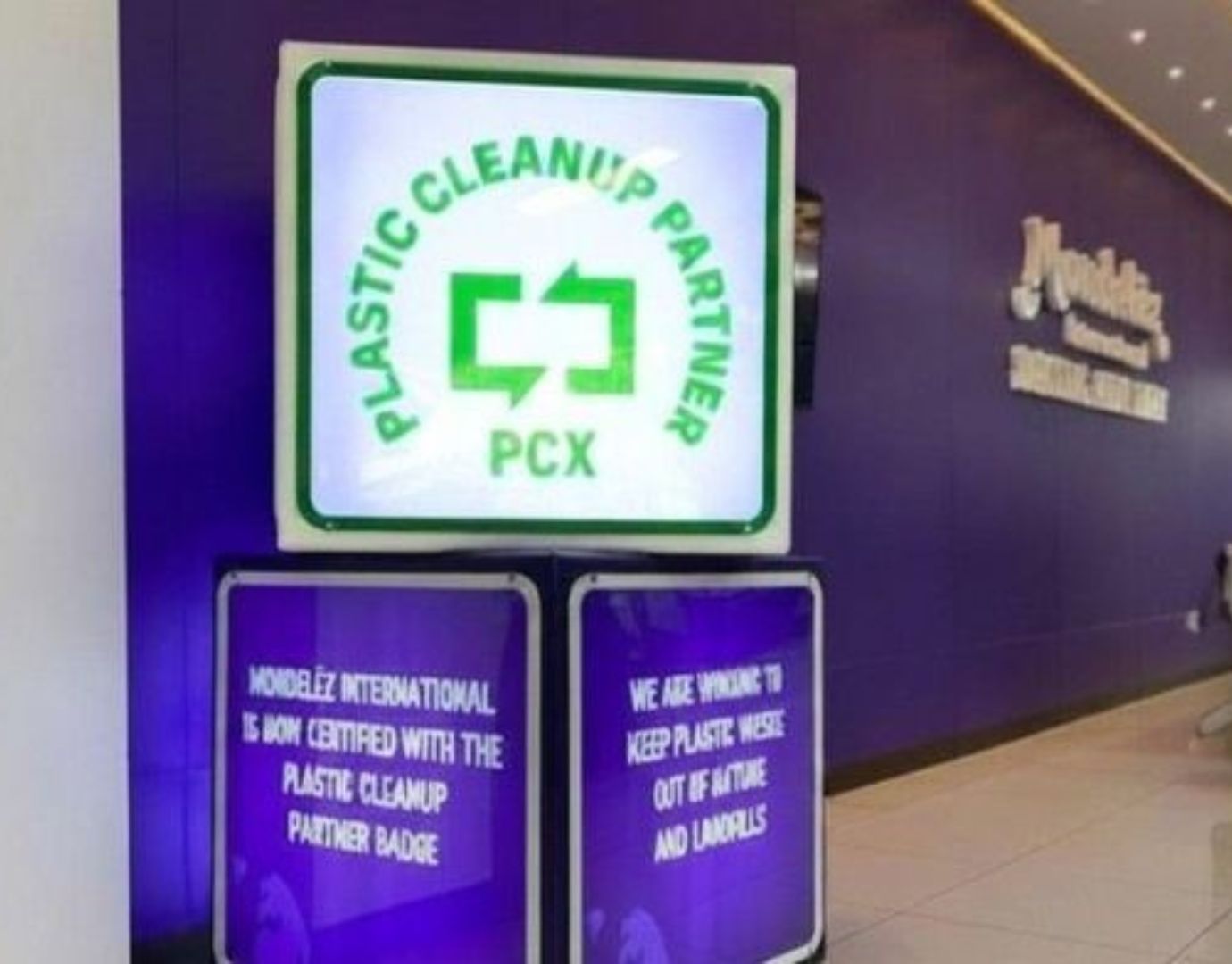
Q6: Mondelez International's efforts with PCX are recognized through the "Plastic Cleanup Partner badge." What does this badge signify?
A6: The Plastic Cleanup Partner badge is a recognition awarded to organizations that actively support sustained and verified plastic recovery and diversion initiatives.
For Mondelez International, earning this badge signifies their commitment to going beyond standard practices by actively funding and participating in programs that ensure plastic waste is effectively removed from the environment. It's a stamp of approval for their genuine efforts in plastic recovery.
Q7: How does PCX ensure the collected plastic is genuinely diverted and not just moved around?
A7: Traceability and transparency are some of the core principles of the PPRS. All PPRS-registered waste diverters are subject to audits by PPRS-approved third party auditors called Validation and Verification Bodies (VVBs).
These VVBs conduct an assessment of the entire project, including their value chains, to ensure conformance to the standard. This includes auditing their systems, value chains, stakeholders and facilities before a waste diverter can be registered.
Once a waste diverter is registered, an additional layer of auditing called impact verification is performed by VVBs. This verification process traces each metric ton of post-consumer plastic waste from collection to aggregation to transport to end-of-waste processing, through chain of custody documentation review and audit.
Only once verified can the waste diversion certificates be issued. The certificates are then recorded on our Public Registry, together with the complete chain of custody documents, as a safeguard against double counting.

Q8: What role do ordinary Filipinos play in PCX Markets' efforts, and what can they do to help?
A8: Every individual plays a crucial role! While PCX primarily partners with companies and waste diverters, your actions directly support the ecosystem we're building. Here’s how you can help:
Segregate Properly: Even flexible plastics can be collected if sorted correctly. Look for local community programs or drop-off points that accept these materials.
Support Responsible Brands: Choose products from companies that are transparent about their plastic use and actively invest in recovery initiatives.
Reduce, Reuse, Recycle: The most effective step is always to reduce your consumption of single-use plastics where possible, reuse items continuously and diligently ensure that waste is effectively inputted into recycling streams.
Stay Informed: Understand what happens to your waste and advocate for better collection and recycling infrastructure in your community.
Personal Responsibility: There are programs where you can directly contribute to funding recovery and diversion and take responsibility for your own consumption. Check these out and contribute what you can www.pcxmarkets.com/plastic-cleanup-hero
By understanding the full journey of plastic and supporting collaborative initiatives, we can collectively work towards a cleaner, more sustainable Philippines.
This article was originally published here in Philstar.

Let’s Get To Work
Sign up to clean up!
%20copy.jpg)